
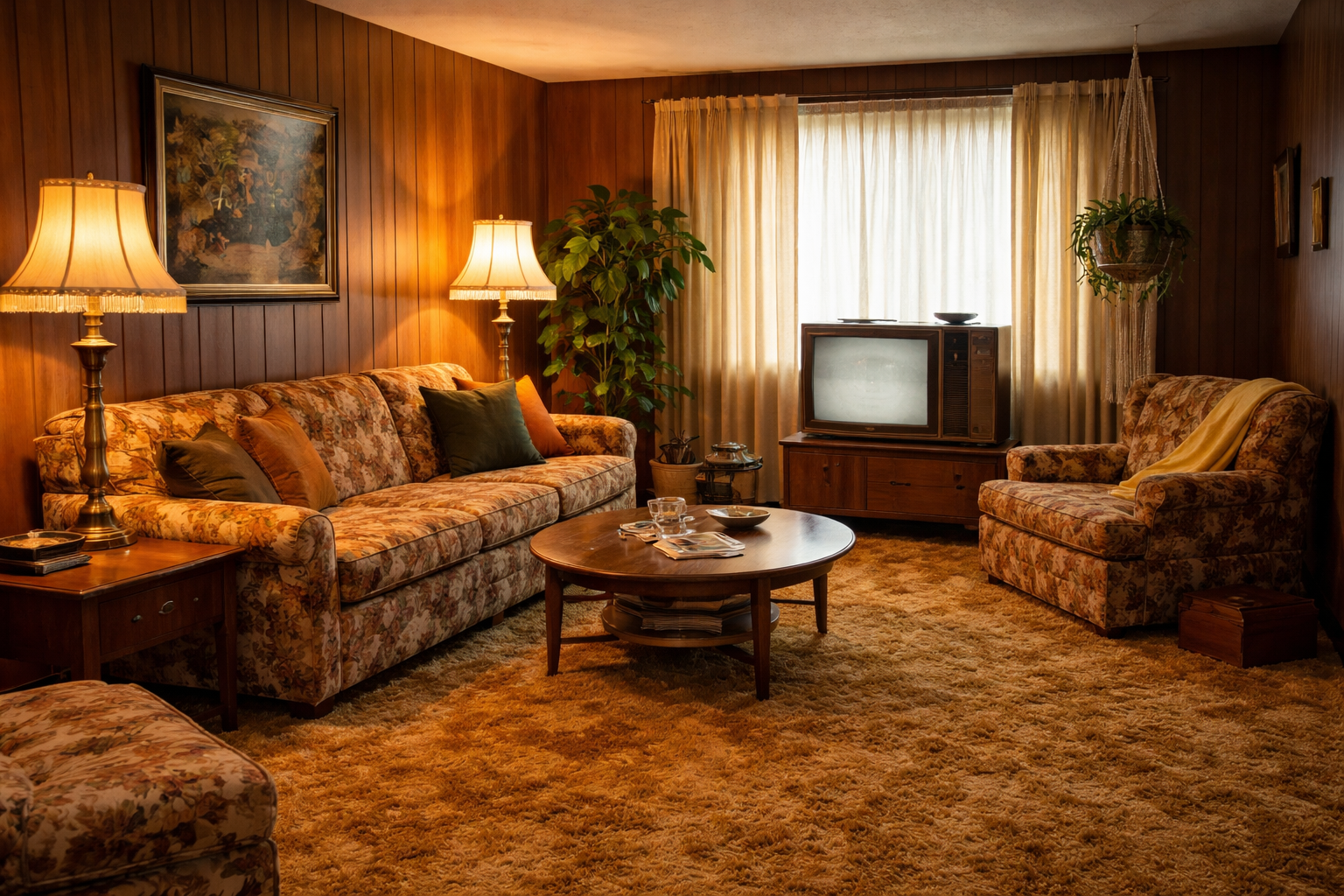
Why can’t you get a solid price when your house is an outdated house?
Why can’t you get a solid price when your house when is an outdated house?
Selling an outdated house often means you won’t get full market price, even in a robust real estate environment. The reason goes beyond simple aesthetics. It’s a complex interplay of market demands, buyer expectations, renovation costs, and how your property compares to others nearby. Understanding these factors can help you set realistic expectations and make smarter decisions whether you sell as-is or invest in upgrades.
Outdated houses face significant buyer hesitancy
Most buyers today seek homes that fit modern lifestyles and standards. When a house is old or hasn’t been updated in decades, buyers often perceive it as a project, not a comfortable move-in ready home. That perception alone limits the pool of interested buyers because many want to avoid the hassle and risk of extensive repairs. Issues like aging HVAC systems over 15 years old, outdated electrical panels, old plumbing fixtures, or old framing based on decades-old construction standards can raise red flags. Buyers naturally discount a home’s value to account for these foreseeable costs.
Functional and size limitations reduce appeal
Another key reason outdated houses fall short on price is related to space and layout. Smaller homes with fewer bedrooms and bathrooms-with less than 3 beds or 2 baths are less valuable compared to comparable houses that offer more functionality. Modern buyers often prioritize space for home offices, additional bathrooms, or open layouts, which older homes typically lack. While some sellers consider “pop top” additions to add a second or third story, local zoning laws and neighborhood comparables heavily influence whether expanding adds significant value.
The cost to renovate often exceeds the price premium
From a buyer’s standpoint, the renovation budget to bring an outdated house up to current expectations can be substantial. Sometimes it makes more financial sense to buy a newer house or build fresh. For instance, tearing down a 50 year old frame and rebuilding may be cheaper and less hassle than remodeling the old structure with its hidden issues. Renovations such as a new roof, upgraded insulation, modern electrical and plumbing, plus cosmetic updates like paint and new flooring come with a price tag that buyers anticipate deducting from the price they pay.
The market prefers recent comparables, not outdated properties
Pricing a house relies heavily on recent sales of comparable properties (“comps”) priced and sold within the last 90 to 120 days. If similar houses in your neighborhood are newer or already updated, your outdated house will fall behind in price per square foot, days on market, and overall buyer enthusiasm. Online platforms like Zillow have become dominant in informing buyer expectations, making it harder to justify a higher price for a property that doesn’t check modern boxes.
Curb appeal and neighborhood context matter
Beyond the house itself, its exterior condition plays a role in perceived value. Neglect such as poor landscaping or a worn facade compared to neighboring homes can further lower offers. However, keep in mind that you don’t need to create a luxury magazine look; a clean, well-maintained property is enough to meet buyer expectations for the typical market segment your house serves.
Functionality and flow impact buyer interest
Buyers also sense when a home’s layout feels awkward or doesn’t flow, even if they can’t immediately articulate why. Outdated houses with closed-off rooms or inefficient use of space can discourage buyers who envision the lifestyle they want instead. This subtle rejection translates into lower offers or longer marketing times.
Ultimately, sellers must weigh upgrading costs versus market realities
If you have limited budget or time, selling an outdated house as-is typically means accepting offers below what a fully updated comparable would fetch. On the other hand, targeted updates like adding a bathroom or refreshing worn finishes can bridge that gap if strategically done. In some markets with high demand near amenities, the land and location might still carry strong value, but the dated condition inevitably pulls down the achievable sale price.
Next steps if you own an outdated house
- Get a detailed market analysis focusing on recent sales of comparable upgraded and non-upgraded homes.
- Consider which renovations deliver the highest value for cost; sometimes expanding bedrooms or adding modern bathrooms is key.
- Consult professionals about potential “pop top” expansions or zoning restrictions.
- Price your home realistically based on condition, factoring in buyer renovation costs and neighborhood comps.
- Explore marketing strategies that highlight the home’s potential, but avoid overpricing which deters buyers.
Understanding why outdated houses sell below full price prepares you to negotiate effectively and either invest wisely in upgrades or accept fair offers without delay.
You can also see where we help owners who have dealt with ‘can’t sell house!’ pains by clicking here.
Fill out the form on the right and let’s get started. Or call us at 678-408-2228.
And in case you are wondering who we are, our founders are looking forward to meeting you. You can check them out here:
Frank – https://frankiglesias.com
Or you can check him out on video at https://workingwithhouses.com
Melanie – https://melanievargas.net